Ethiopia Yirgacheffe
Jasmine, bergamot, peach, tea-like body.
Starting point: V60 or Chemex, 1:16, 92–94°C.
Open origin guide →Use origin as a clue, not a guarantee. These profiles explain common tendencies and give you a structured place to start dialing in a specific bag.
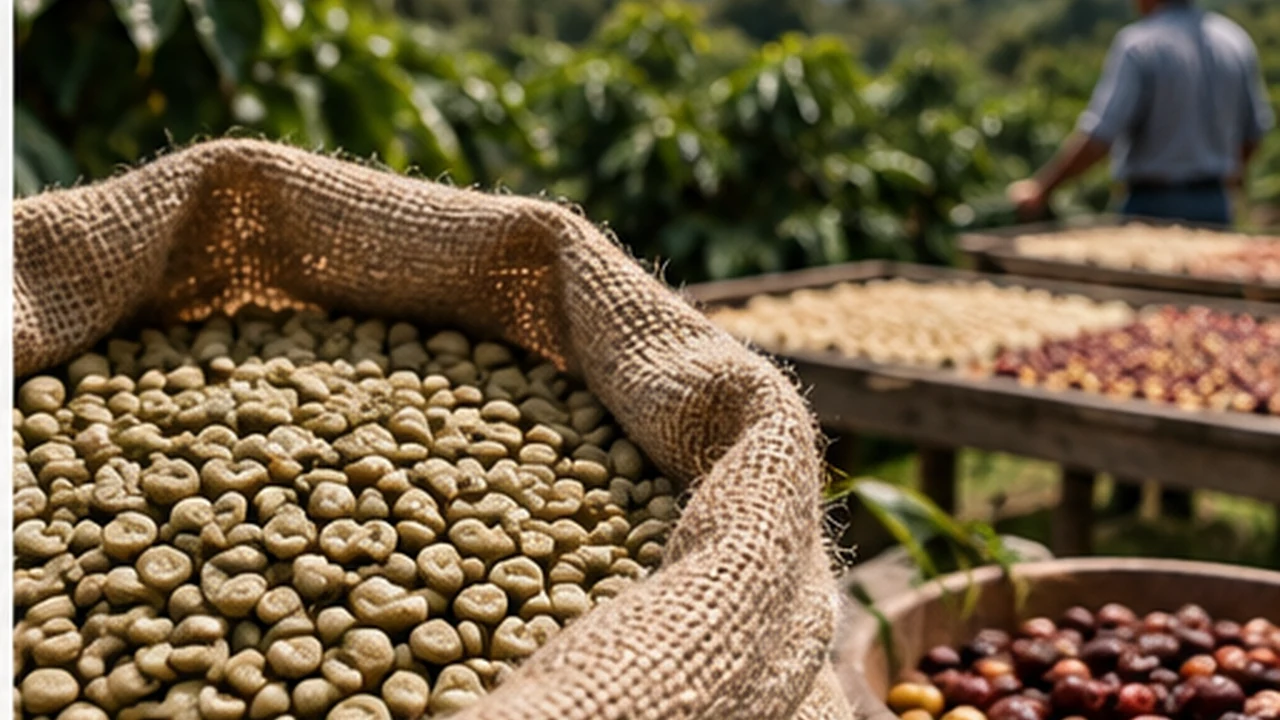
Jasmine, bergamot, peach, tea-like body.
Starting point: V60 or Chemex, 1:16, 92–94°C.
Open origin guide →Panela, red apple, cocoa, balanced acidity.
Starting point: AeroPress or espresso, 1:15, 91–94°C.
Open origin guide →Cocoa, baking spice, orange, structured body.
Starting point: French press or pour-over, 1:15.5, 92–94°C.
Open origin guide →Herbal, cedar, dark cocoa, syrupy body.
Starting point: French press or cold brew, 1:14.5, 91–94°C.
Open origin guide →Blackcurrant, grapefruit, cane sugar, vivid acidity.
Starting point: V60 or AeroPress, 1:16.5, 93–95°C.
Open origin guide →An Italian roasting and preparation tradition—not a coffee-producing region. Blend ingredients and roast vary.
Starting point: Espresso or moka pot, 1:2 espresso, 90–93°C.
Open espresso-style guide →Country and region are only the first layer. Elevation, cultivar, processing method, harvest freshness and roast approach can make two coffees from the same area taste completely different. When a bag lists a farm, washing station, variety and process, use those details alongside region rather than treating terroir as a fixed flavor promise.
The suggested ratios and temperatures are deliberately conservative starting points. Your grinder and roast level matter more than a generic regional recipe. Brew once, taste attentively, and adjust one variable. That is more reliable than copying a “perfect” recipe without context.
Five profiles in this section describe coffee-producing regions: Yirgacheffe, Nyeri, Huila, Antigua and Mandheling from Sumatra. Milanese espresso is deliberately separated as a preparation and roasting tradition, not a growing origin. A city where a drink is served does not identify the country where its beans were produced.
A region can help form a starting hypothesis, but producer, harvest, processing, variety, roast and brewing water all influence your cup. To compare two bags fairly, use the same brewing ratio and grinder, taste when warm and write down differences. Then adjust each bag independently: a fixed grind setting can favor one roast over another.
The World Coffee Research catalog is a reference for variety names. The guides do not pretend to have evaluated individual farms or current harvest lots.