| Elevation / style | 1,500–1,900 m |
|---|---|
| Cultivar | Castillo, Caturra and others |
| Common processing | Mostly washed |
| Flavor tendencies | Panela, red apple, cocoa, balanced acidity |
| Suggested brewer | Filter pour-over |
| Starting ratio | 1:16 |
| Water temperature | 91–94°C |
| Grind | Medium |
Why “Huila” describes a broad range of coffees
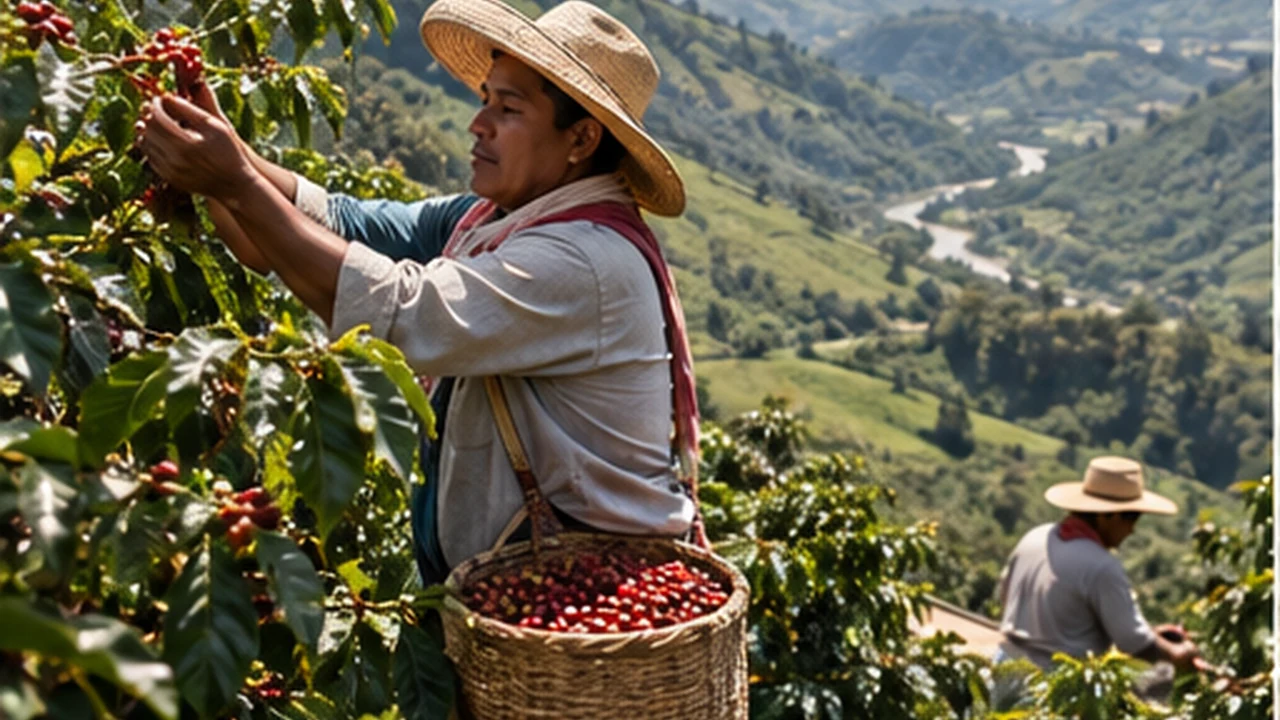
Huila is an important Colombian coffee-producing department, not one uniform farm or a single flavor. Elevation, cultivar, local weather, picking, fermentation and roast can vary substantially between producers. Washed lots are common in specialty catalogs, but honey, natural and experimental processes also appear. A marketing phrase such as “chocolate and caramel” should not replace the producer or process details on a bag.
A useful tasting vocabulary for one washed lot may include citrus, caramel and rounded sweetness; another can be intensely floral or fruit-forward. Neither description is a certification of origin. Treat the roaster's tasting notes as a hypothesis to check with a consistent recipe, then write down what you actually perceive.
A forgiving first filter recipe
Try 20 g coffee, 320 g water, a medium grind and 92–94°C water in a cone or flat-bottom dripper. Wet the bed with 50–60 g, wait about 40 seconds, then distribute the remaining water in two controlled pours. Record your time, but judge the brew on sweetness, balance and clarity instead of forcing it into a fixed three-minute window.
- Make a first cup with the same water you normally drink; do not change coffee and water together.
- If the cup is sweet but too concentrated, try 340 g water for the same coffee dose on your next test.
- If it is sour and thin, return to 320 g and adjust grind finer before altering dose.
- If it tastes drying, reduce stirring and consider a slightly coarser grind.
At-home experiment: divide one freshly brewed batch into two small cups and add 10% hot water to only one. You can evaluate whether your complaint was strength rather than extraction without using a second brew. Mark the diluted cup so you do not confuse the samples.
Choose information, not a stereotype
Look for producer, municipality, process, variety, harvest period and roast date where available. A label that includes only “Colombia Huila” gives a broad geographic signal but not enough detail to predict exact flavor. If the roaster provides a specific recipe, test it first. The World Coffee Research catalog helps check cultivar terminology, but variety names cannot replace the details of this specific lot.
For espresso, Huila is not intrinsically a milk-drink or straight-shot coffee. Use the roast and your desired flavor balance to select a starting brew ratio; our calculator distinguishes espresso yield from water input.
Scope of these suggestions
These are educational brewing starting points, not measured results from a named crop. Changing one variable at a time is the easiest way to turn the general profile into a recipe that works for your grinder.