Brew ratio & timer
Calculate coffee dose, temperature guidance, bloom amount and run a simple guided timer across six brew methods.
Use the calculator →Make better coffee with reproducible experiments. Explore measured brew ratios, distinguish strength from extraction, and read origin notes as hypotheses—not guarantees. Each guide includes an actionable first recipe and adjustments you can test at home.
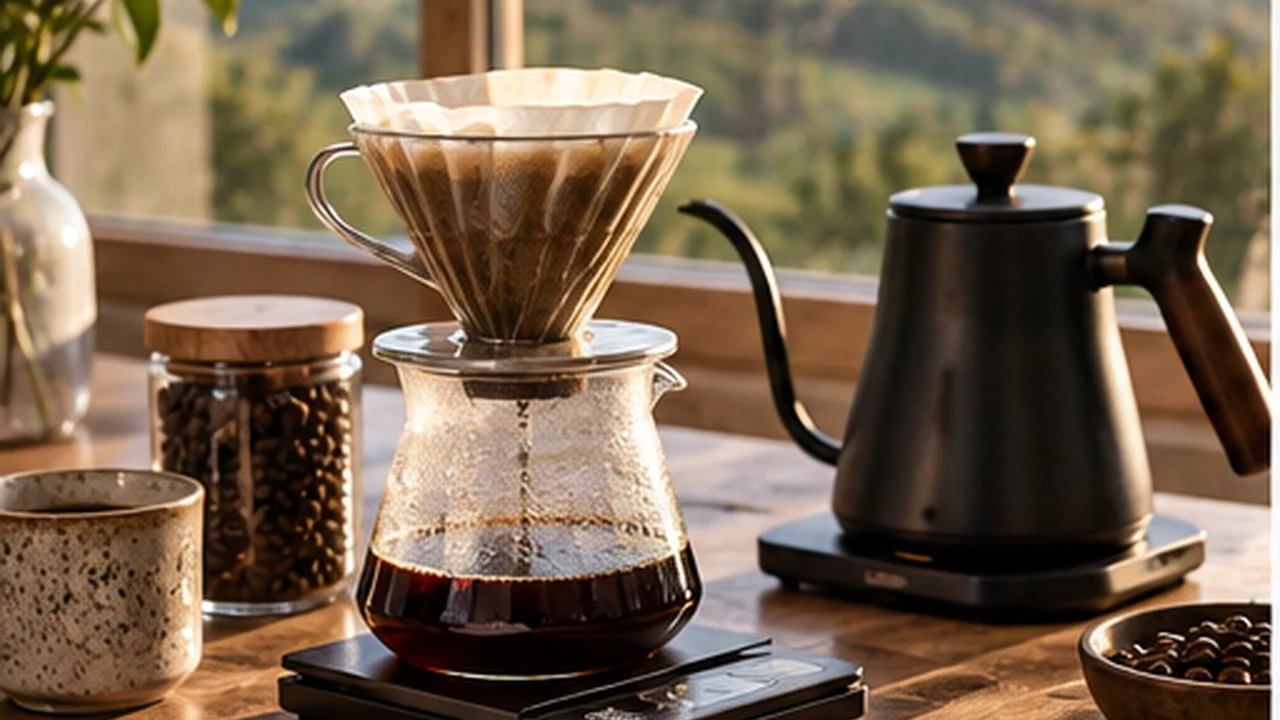
Start with the question you have today: how much coffee to use, how timing changes a caffeine estimate, or how a particular origin might behave with your equipment.
Calculate coffee dose, temperature guidance, bloom amount and run a simple guided timer across six brew methods.
Use the calculator →Explore a simple half-life model and see how timing changes estimated residual caffeine.
Open estimator →Compare altitude, processing, flavor tendencies and practical brew starting points by region.
Browse the atlas →A practical explanation of dissolved solids, extraction yield and how to diagnose sour, hollow, bitter or drying cups.
Read article →Understand hardness, alkalinity, calcium and magnesium without turning your coffee routine into a chemistry exam.
Read article →Kyoto-style cold drip, Moroccan spiced coffee, Vietnamese egg coffee and a high-clarity AeroPress bypass.
Explore recipes →Have 320 g of brewing water and want a 1:16 filter recipe? Divide 320 by 16: you need 20 g coffee. Try that ratio, note grind and brew time, then taste. If the cup is balanced but too strong, experiment with dilution or a different ratio; if it is sour and weak, explore extraction rather than automatically adding more coffee.
Use the calculator for the math, the extraction guide to interpret the result, and an origin profile to learn which details on a bag are meaningful. For something to make today, each recipe provides measured ingredients, a method, safety notes where relevant and a specific adjustment experiment.
Guides label numerical ranges as starting points, not universal rules. The site does not claim laboratory tests, farm visits or professional credentials that cannot be documented. Learn how material is prepared in the editorial policy and report an error through the contact page.