| Elevation / style | 1,700–2,100 m |
|---|---|
| Cultivar | SL28, SL34 and others |
| Common processing | Washed |
| Flavor tendencies | Blackcurrant, grapefruit, cane sugar, vivid acidity |
| Suggested brewer | V60 pour-over |
| Starting ratio | 1:16.7 |
| Water temperature | 93–95°C |
| Grind | Medium-fine |
Nyeri is a region, not a roast recipe
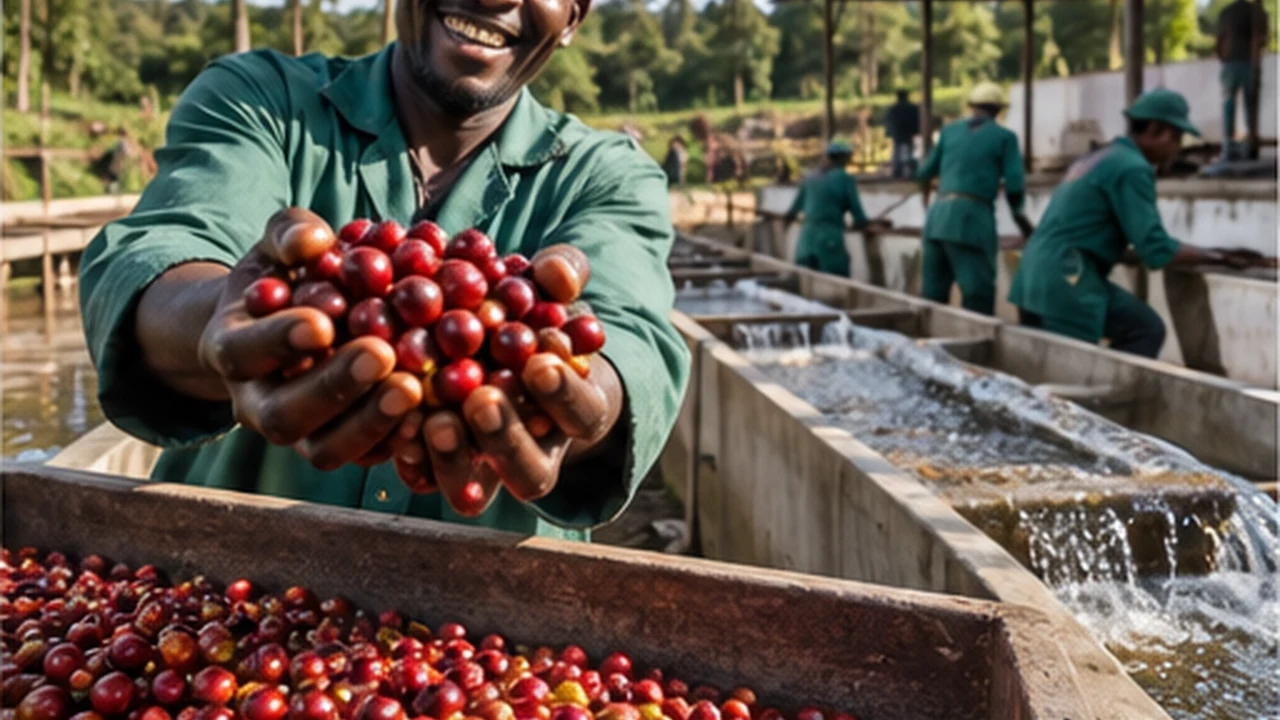
Nyeri lies in Kenya's central highlands. Coffee from the area is often sold under names that also mention an estate, factory (a local term for a processing station), cooperative or lot. Those identifiers matter: two bags from Nyeri can differ in variety, sorting, processing, roast and age even when their geographic description matches.
Many specialty offerings use washed processing. The double-fermentation phrase sometimes seen in descriptions refers to a particular processing approach, not proof that every Kenyan coffee follows exactly the same steps. Blackcurrant, citrus or tomato-like notes are possible tasting vocabulary, not ingredients. Avoid buying solely on an origin stereotype; read the actual producer and processing details.
Develop sweetness without flattening the acidity
For a light washed lot, try 18 g coffee to 300 g water with a paper-filter dripper. Start around 94°C and a medium-fine grind. Saturate with 50 g, wait 35–45 seconds, then pour steadily in two or three stages while keeping the slurry below the filter rim. Aim for a cup that has identifiable sweetness alongside bright acidity; a stopwatch cannot determine that by itself.
- First cup: note the coffee dose, grind, water and drawdown.
- If acidity feels sharp and the aftertaste is thin, grind slightly finer or raise water temperature a little.
- If the drink is strong but balanced, dilute a measured portion instead of changing the extraction.
- If you get puckering dryness, try a coarser grind and gentler pours; excessive fines can prolong drawdown.
Useful comparison: brew at the same ratio with 93°C and 96°C water. Taste blind after the cups cool, looking for changes in the quality of acidity, not merely whether one cup tastes “more acidic.” Use the same drinking temperature for both samples.
Reading the bag with more precision
Ask for the factory or estate name and whether the coffee is a single lot or blend. If a bag lists SL28, SL34, Ruiru 11 or Batian, remember that a variety name is not a standalone guarantee of taste or resistance. The growing conditions, processing and roast still matter. The World Coffee Research variety catalog provides a starting point for checking variety terms.
Keep the roaster's recipe if one is provided. A darker-roasted Nyeri may need a cooler starting temperature or coarser grind than the example above. For an espresso version, dial in using beverage yield and flavor rather than importing a filter ratio unchanged.
What this guide can support
This page gives a repeatable tasting and brewing method, not a claim to have tasted a particular named farm's current crop. For definitions of strength and extraction, use our measurement guide.